Topic 7 of 10
Getting started
How to read a broker's conditions, go through registration and verification, and set up the platform. You also learn which documents to read before you deposit anything.
2 video lessons · 8 key terms
Videos in this topic

Text lesson
Before you open a live account, spend an hour reading. Most problems beginners have come from skipping this step.
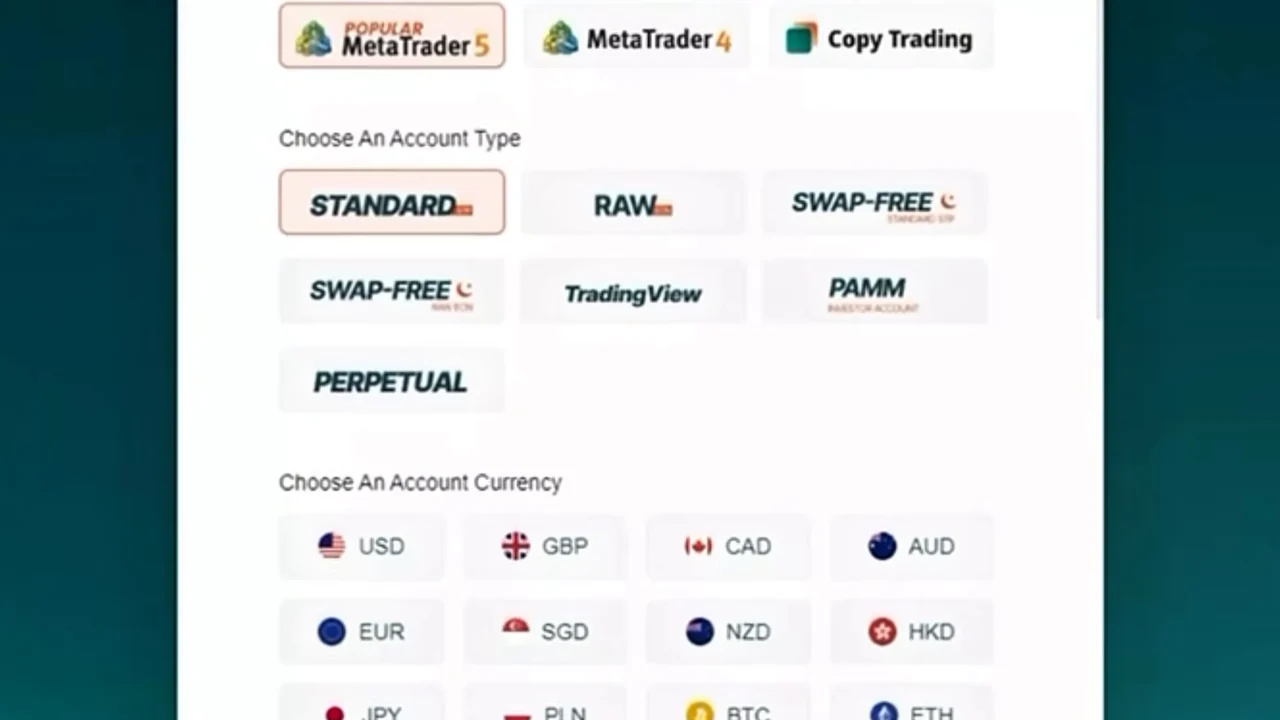
Start with the broker's conditions. Find the account types and compare them. For each, note the typical spread, any commission, the minimum deposit, the maximum leverage, the platforms and the base currencies. Some brokers describe a standard account with zero commission and a wider spread, and a raw account with a very low spread and a commission per lot. Neither is better in general, as the example in the brokers topic shows. Also check the trading hours of the instrument you want, and the rules for swaps and for news periods.
Then read the documents. The client agreement and the risk disclosure are not formalities. Look for the legal name of the company and its regulator, the fees for deposits and withdrawals, rules about inactive accounts, how the broker handles complaints, and what happens to your funds if the company fails. If something is unclear, ask the broker's support before depositing, and keep the answer in writing.
Registration usually follows three steps. First, you fill in the form with your country, email and a strong password, and confirm your email or phone with a code. Second, you set up the account: platform, account type and currency. Third, you verify your identity. You upload a valid passport or ID, and a proof of address such as a bank statement or utility bill that is recent and shows your name and address. Check that photos are clear, show all four corners and match the details in your form. Approval can take from minutes to a few days.
Turn on two-factor authentication as soon as you can. It adds a code from an authenticator app to each login, so a stolen password alone is not enough. Use a unique password for the broker and never share passwords or codes with anyone, including people who say they are from support.
Install the platform from the broker's official page and log in with the details the broker sent you. Open a demo account first if the broker offers it. Practise placing and closing orders, setting a stop loss, and reading your balance and equity.
Only then decide on a deposit, and keep these rules. Deposit only money you can afford to lose completely. Start with a small amount. Do not borrow money to trade. Check how a withdrawal works, and test it with a small amount early. Remember that trading Forex, CFDs and gold carries a high risk of losing money.